
Visiting Abu Simbel offers a unique glimpse into ancient Egyptian history and architecture. One of the most significant attractions is the Great Temple of Ramses II, renowned for its colossal statues that stand guard at the entrance. These statues, each about 20 meters high, depict Ramses II in a seated position, showcasing the grandeur of the pharaoh’s reign.
Another notable site is the Temple of Hathor, dedicated to the goddess of love and joy, which features intricate carvings and reliefs that reflect the artistry of the time. The alignment of these temples is also remarkable; during the sun's alignment on specific days, the light illuminates the sanctuary within the Great Temple, a phenomenon that reflects the advanced understanding of astronomy by the ancient Egyptians.
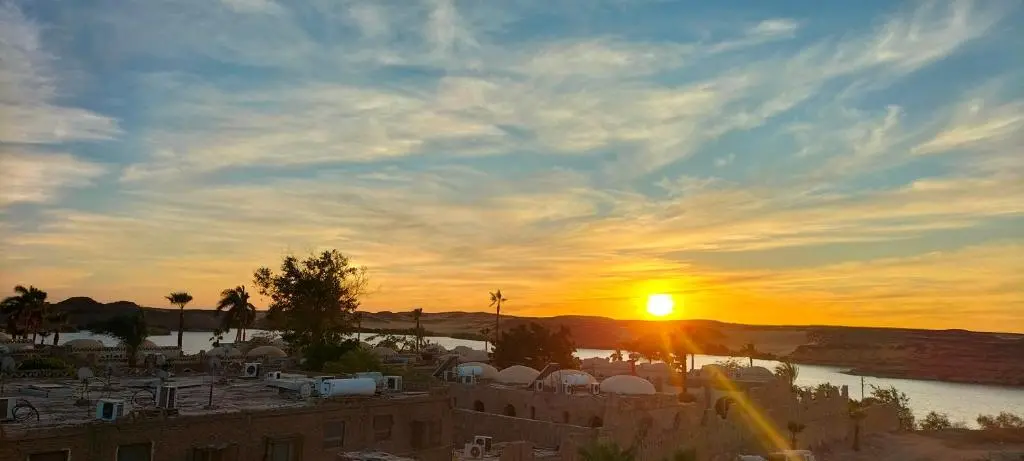
Exploring the surrounding area provides additional context to the historical significance of Abu Simbel. The lake created by the Aswan High Dam offers scenic views, and taking a boat ride can enhance the experience of this remote location. Additionally, visiting the Abu Simbel Sun Festival, held twice a year, allows one to witness the spectacular solar alignment that occurs within the temples, drawing visitors who appreciate the interplay of history and natural phenomena.
For those interested in the preservation efforts of UNESCO, learning about the relocation of these temples during the construction of the Aswan High Dam adds a modern layer to the historical narrative of Abu Simbel. Overall, the combination of monumental architecture, historical significance, and stunning natural landscapes makes Abu Simbel a profound destination for those interested in ancient Egypt.
 English
 Dansk
Dansk Deutsch
 Español
 Français
 Italiano
 Nederlands
 Norsk
Norsk Português
 Polski
 Svenska
 日本語
日本語 한국어
한국어 简体中文
简体中文 العربية