Cebu, Philippines offers a rich blend of cultural, historical, and natural attractions that cater to various interests. One of the most significant sites is Magellan's Cross, which marks the spot where Ferdinand Magellan planted a cross in 1521. Nearby, you can visit Basilica del Santo Niño, an important religious site housing the oldest religious relic in the Philippines. Exploring the Fort San Pedro, a well-preserved Spanish fort, provides insights into the colonial past of Cebu.
For those interested in nature, Kawasan Falls is a popular destination known for its turquoise waters and lush surroundings, ideal for swimming and canyoneering. Another natural attraction is Oslob, where visitors can experience swimming with whale sharks in a controlled environment, an activity that has garnered both interest and controversy regarding sustainability.
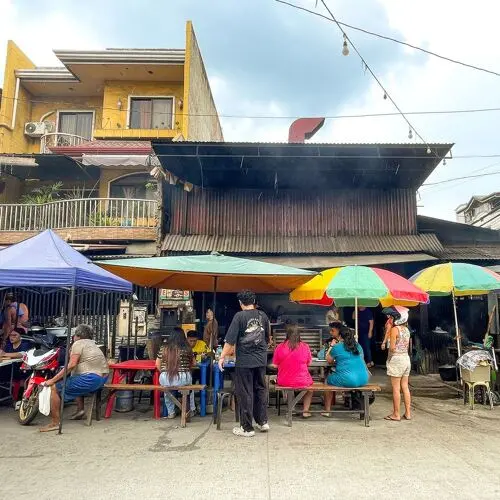
The Taoist Temple in the city offers a peaceful atmosphere and panoramic views, reflecting the influence of Chinese culture in Cebu. For a taste of local life, the Taoist Temple provides a glimpse into the spiritual practices of the community. Additionally, exploring the local markets, particularly Taboan Market, allows you to sample and purchase dried seafood and other local delicacies.
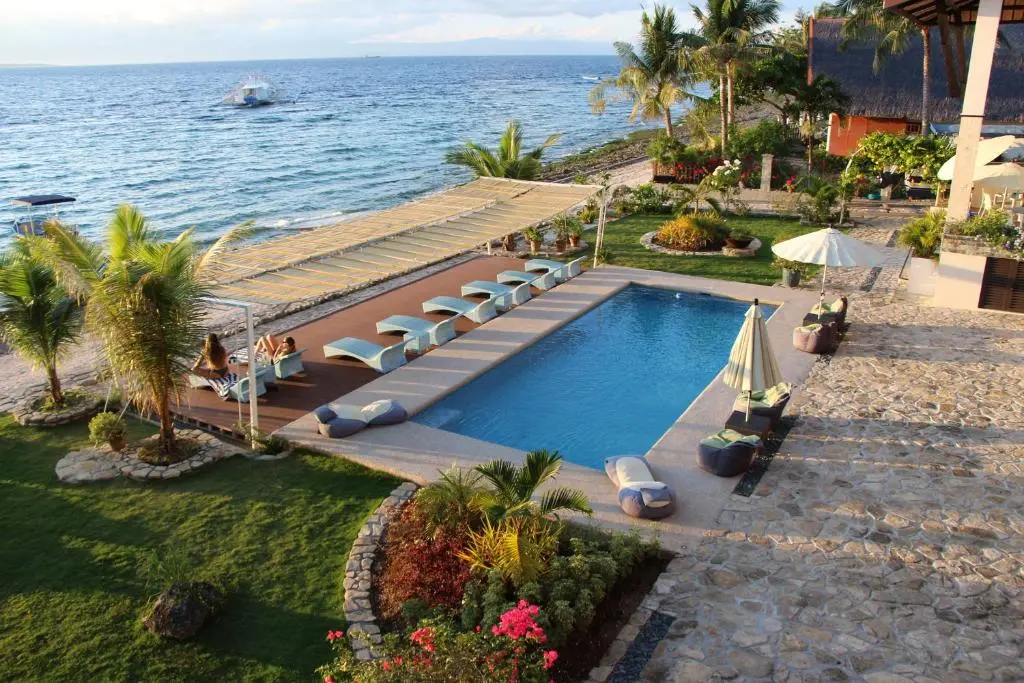
Cebu is also home to beautiful beaches. Malapascua Island is known for its diving spots, especially for thresher sharks, while Moalboal is famous for its sardine runs and vibrant coral reefs, attracting divers and snorkelers alike. If you are looking for a more secluded experience, the beaches of Bantayan Island offer a tranquil setting away from the crowds.
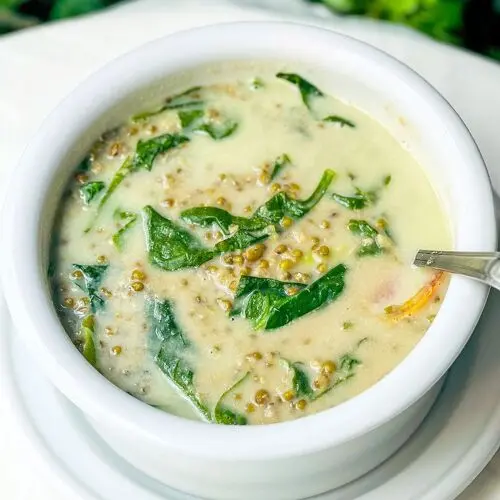
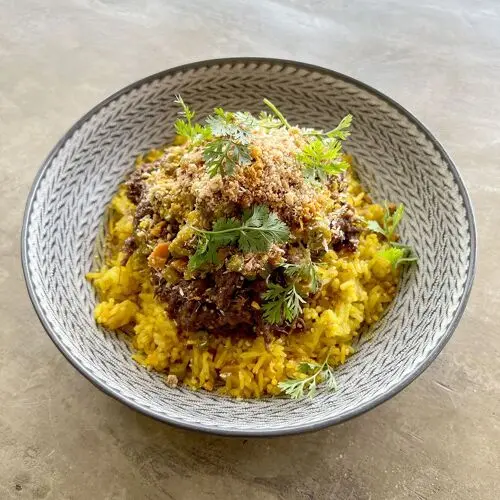
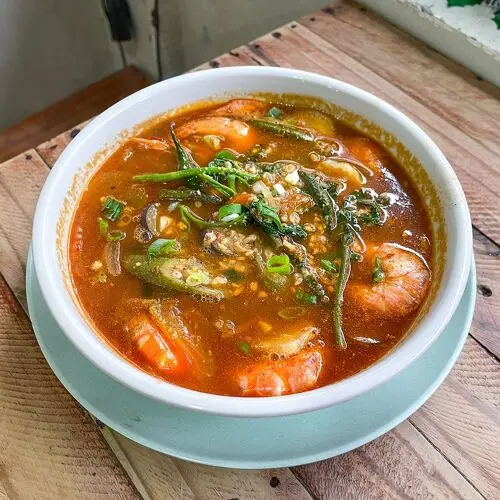
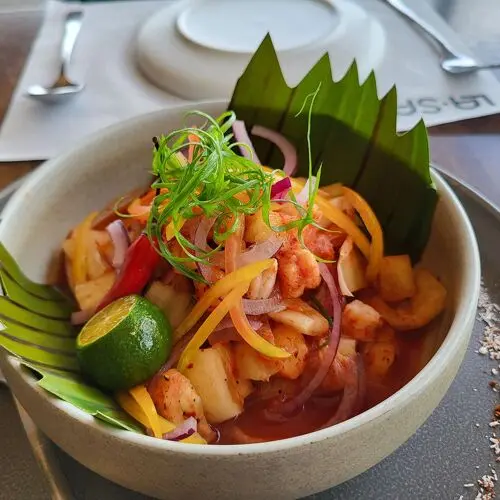
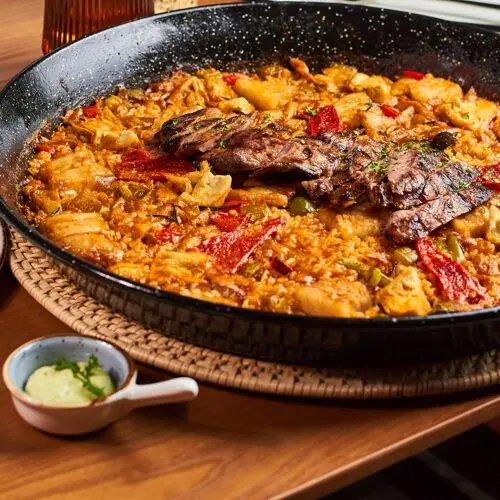
Finally, experiencing Cebu's culinary scene is essential, with local dishes like lechon (roast pig) and sutukil (grilled seafood) being highlights. Exploring the different restaurants and eateries in the city will provide a deeper understanding of Cebuano culture through its food. Overall, Cebu presents a diverse range of activities that reflect its historical significance, natural beauty, and vibrant local culture.









 English
 Dansk
Dansk Deutsch
 Español
 Français
 Italiano
 Nederlands
 Norsk
Norsk Português
 Polski
 Svenska
 日本語
日本語 한국어
한국어 简体中文
简体中文 العربية