
Fukushima, Japan, offers a diverse range of experiences that reflect its natural beauty, cultural heritage, and resilience. One of the highlights is the Aizuwakamatsu Castle, also known as Tsuruga-jo, which provides insight into the region's samurai history. Visitors can explore the reconstructed castle and enjoy the surrounding park, especially during cherry blossom season.
Another significant attraction is the Ouchi-juku, a historic post town that showcases traditional thatched-roof buildings. This area provides a glimpse into Edo-period life, and visitors can enjoy local cuisine, including negi soba, a noodle dish served with a long green onion instead of chopsticks.
For those interested in nature, Bandai-Asahi National Park is a stunning destination. The park features picturesque landscapes, including Mount Bandai, which offers hiking trails suitable for various skill levels. In the warmer months, the area is popular for outdoor activities such as cycling and fishing, while in winter, it attracts skiers and snowboarders.
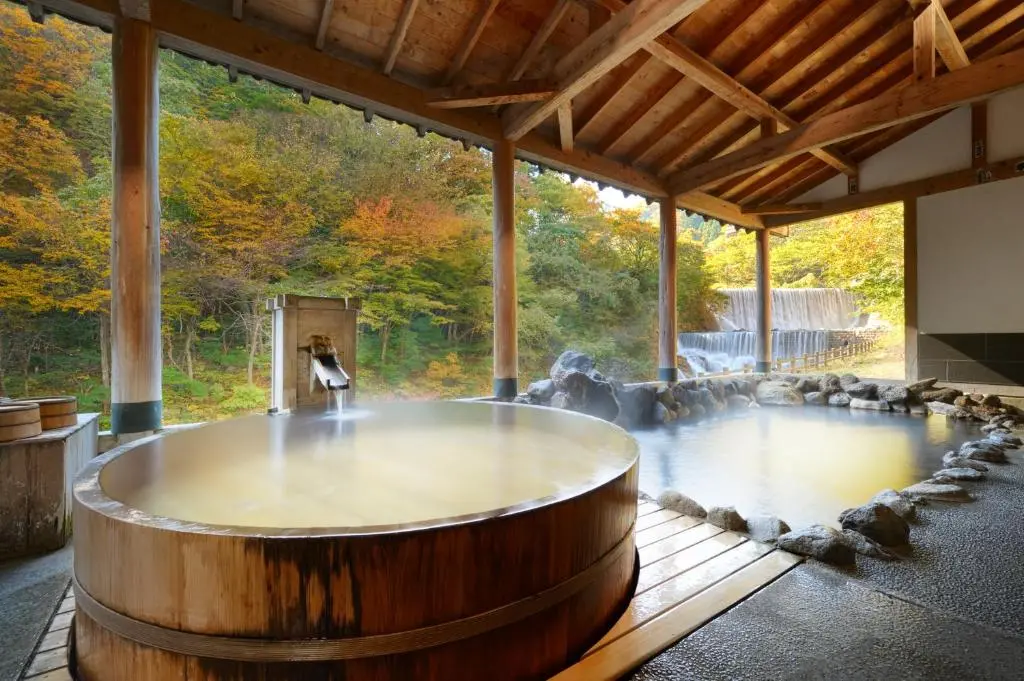
Fukushima is also known for its local hot springs, or onsen, where visitors can relax and enjoy the therapeutic waters. The spa town of Iizaka Onsen provides a relaxing atmosphere and various ryokan, or traditional inns, for a full cultural experience.
In terms of cultural experiences, the Fukushima Prefectural Museum of Art showcases both traditional and contemporary Japanese art, highlighting the work of local artists. Additionally, participating in local festivals, such as the Aizu Festival, allows visitors to immerse themselves in regional traditions and festivities.
Lastly, Fukushima's commitment to recovery is evident in its agricultural products, particularly its rice and sake. Tasting local sake in one of the many breweries can be a delightful way to appreciate the region's culinary offerings. By exploring these various attractions, visitors can gain a deeper understanding of Fukushima's history, culture, and natural beauty.
 English
 Dansk
Dansk Deutsch
 Español
 Français
 Italiano
 Nederlands
 Norsk
Norsk Português
 Polski
 Svenska
 日本語
日本語 한국어
한국어 简体中文
简体中文 العربية