Nara, Japan offers a range of cultural and historical experiences that reflect its rich heritage. Nara Park is a central attraction, known for its free-roaming deer that are considered sacred. Visitors can enjoy a leisurely walk through the park, observing the deer and the beautiful scenery, while also visiting important temples and shrines nearby.
Todai-ji Temple is one of the most significant landmarks in Nara. This UNESCO World Heritage Site houses a giant bronze Buddha statue, which is impressive both in size and artistry. The temple's architecture and the serene atmosphere make it a worthwhile visit for those interested in Buddhist culture.
Another important site is Kasuga-taisha Shrine, famous for its hundreds of stone and bronze lanterns. The shrine is located in a wooded area, adding a tranquil ambiance. The paths leading to the shrine are lined with ancient trees, creating a peaceful setting for reflection and exploration.
The Nara National Museum provides insight into the region's history and art, showcasing a collection of Buddhist artifacts and traditional Japanese art. This museum offers a deeper understanding of Nara's significance as a cultural center in Japan.
Exploring the historic district of Naramachi allows visitors to experience traditional Edo-period architecture. The narrow streets are lined with well-preserved merchant houses and shops that often sell local crafts and snacks, providing a glimpse into daily life of the past.
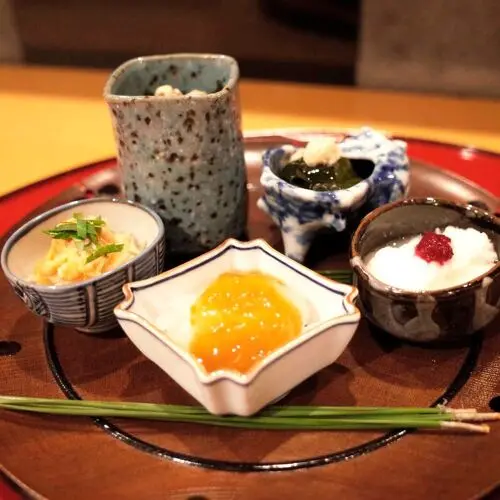
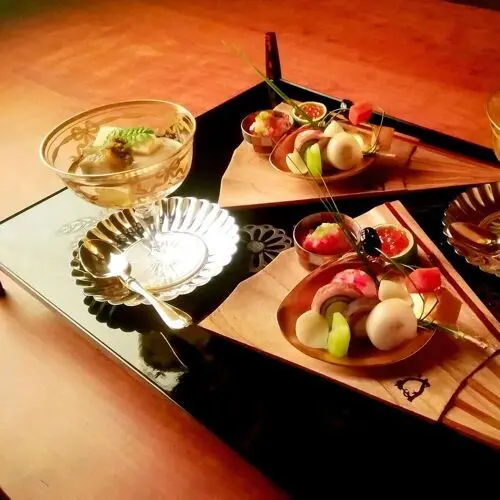
For those interested in traditional Japanese culture, participating in a tea ceremony or trying Nara's local cuisine, such as kakinoha-zushi (sushi wrapped in persimmon leaves), can enhance the experience of the city.
Overall, Nara presents a blend of natural beauty, historical significance, and cultural experiences that can engage visitors in a meaningful way.















 English
 Dansk
Dansk Deutsch
 Español
 Français
 Italiano
 Nederlands
 Norsk
Norsk Português
 Polski
 Svenska
 日本語
日本語 한국어
한국어 简体中文
简体中文 العربية