
Samarkand, a city rich in history and culture, offers a variety of attractions that reflect its significance along the Silk Road. One of the most notable sites is the Registan Square, a stunning ensemble of three majestic madrasahs. This area serves as a central hub for both locals and visitors, showcasing intricate tile work and impressive architecture that narrates the city's historical importance.
Another significant landmark is the Shah-i-Zinda, a necropolis renowned for its beautiful mausoleums and vibrant mosaics. Walking through this site provides insight into the Islamic architectural artistry and the spiritual heritage of the region. The peaceful atmosphere invites reflection and admiration of the craftsmanship.
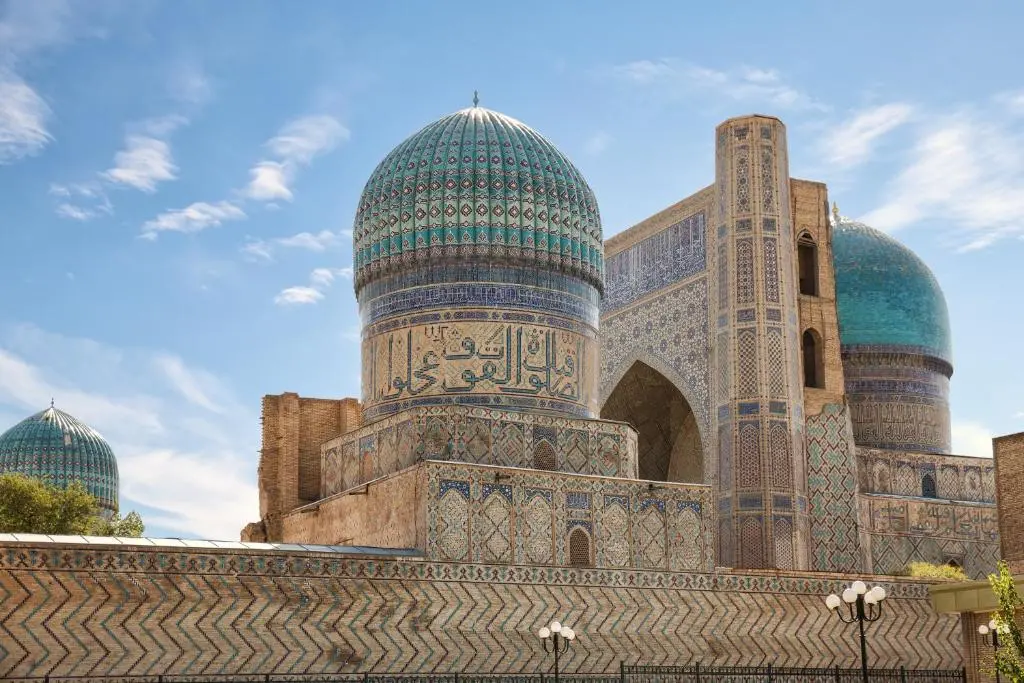
The Bibi-Khanym Mosque, once one of the largest mosques in the world, is also a key site worth exploring. Its grand scale and detailed design reflect the ambition of Timur, the city's founding figure. Nearby, the Siab Bazaar offers a lively experience, where visitors can engage with local vendors selling fresh produce, spices, and traditional handicrafts, providing a taste of everyday life in Samarkand.
For those interested in astronomy, the Ulugh Beg Observatory presents an opportunity to appreciate the scientific advancements of the past. This site highlights the contributions of Ulugh Beg, a Timurid ruler and astronomer, to the field of astronomy.
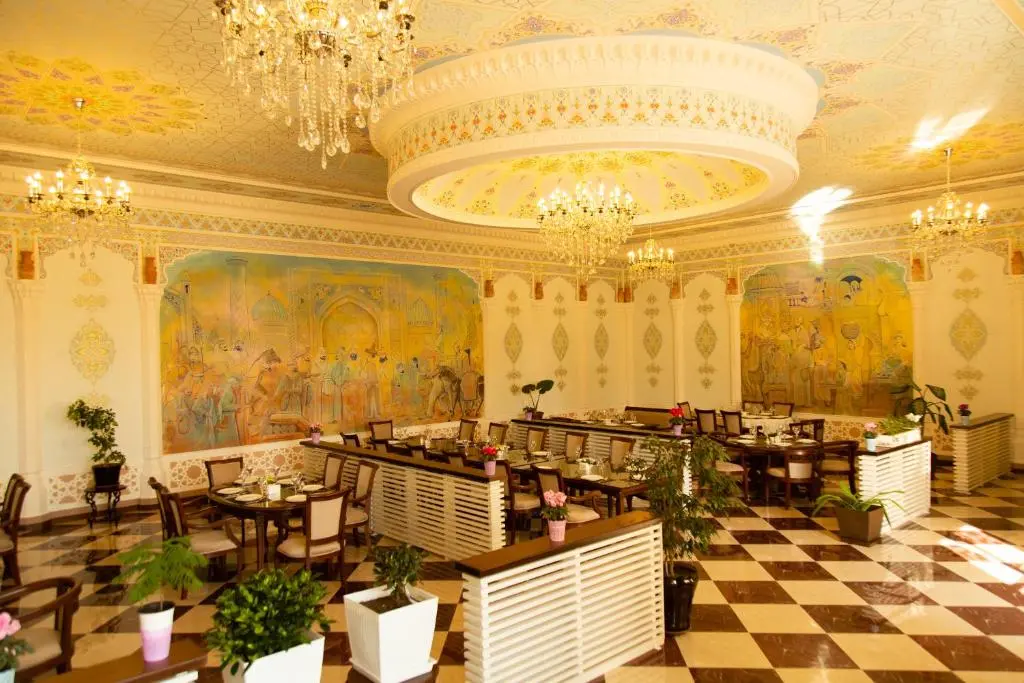
In addition to these historical sites, local cuisine is an essential part of experiencing Samarkand. Sampling dishes such as plov and shashlik in local restaurants or at street stalls allows visitors to connect with the cultural heritage through food.
Exploring the winding streets and engaging with the local community can also enhance the experience, as Samarkand is a city where tradition and hospitality are deeply valued. Overall, the combination of historical landmarks, cultural experiences, and local flavors makes Samarkand a noteworthy destination for travelers seeking to understand the rich tapestry of Central Asian history.

 English
 Dansk
Dansk Deutsch
 Español
 Français
 Italiano
 Nederlands
 Norsk
Norsk Português
 Polski
 Svenska
 日本語
日本語 한국어
한국어 简体中文
简体中文 العربية