
Visby, a charming medieval town on the island of Gotland, offers a variety of activities and sights that reflect its rich history and cultural heritage. One of the most notable attractions is the Medieval Town Wall, which encircles the old town and provides a glimpse into the town's fortifications from the 13th century. Walking along the wall allows for a unique perspective of Visby and its surroundings.
Another significant site is the Saint Mary's Cathedral, known for its beautiful architecture and serene atmosphere. The cathedral dates back to the 12th century, showcasing both Romanesque and Gothic elements. Exploring the interior and its artwork can be quite enriching.
The Botanical Garden is a peaceful retreat, featuring a diverse collection of plants and trees. This garden, established in the 19th century, is a great place to relax and enjoy nature, with pathways that encourage leisurely strolls.
For those interested in history, the Visby Museum offers insights into the town's past, including its role in the Hanseatic League. The museum exhibits artifacts and provides educational displays that highlight the cultural significance of Visby throughout the centuries.
Visby is also known for its vibrant atmosphere during the annual Medieval Week. This event draws visitors who wish to experience medieval markets, performances, and reenactments, contributing to a lively ambiance in the town.
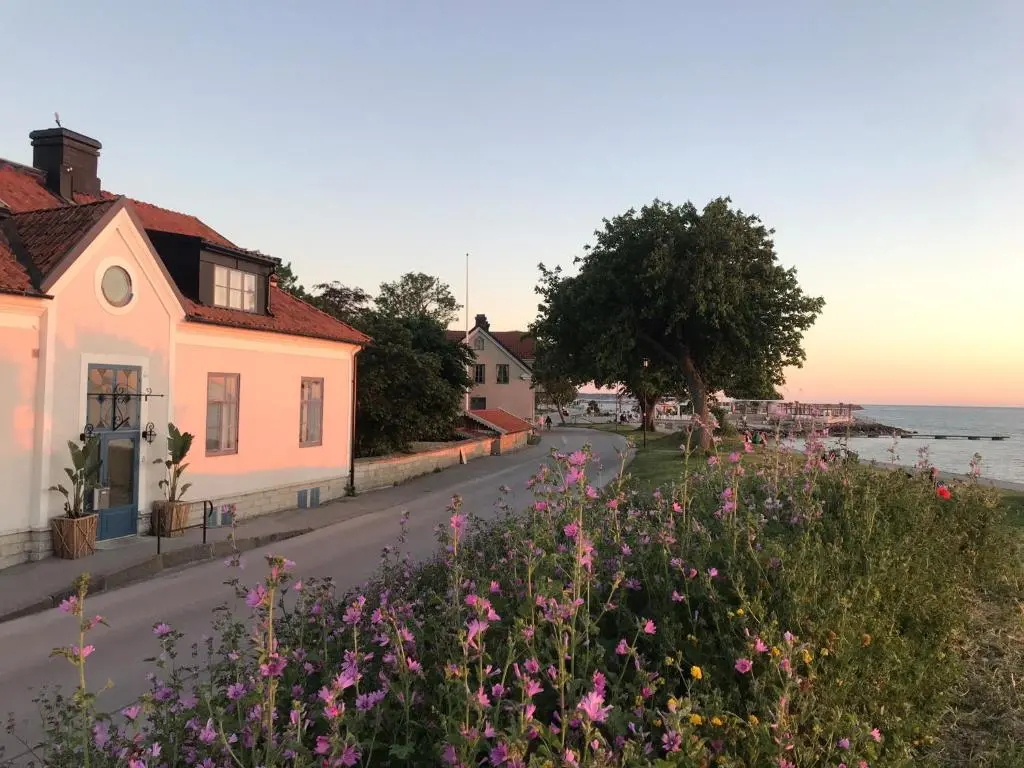
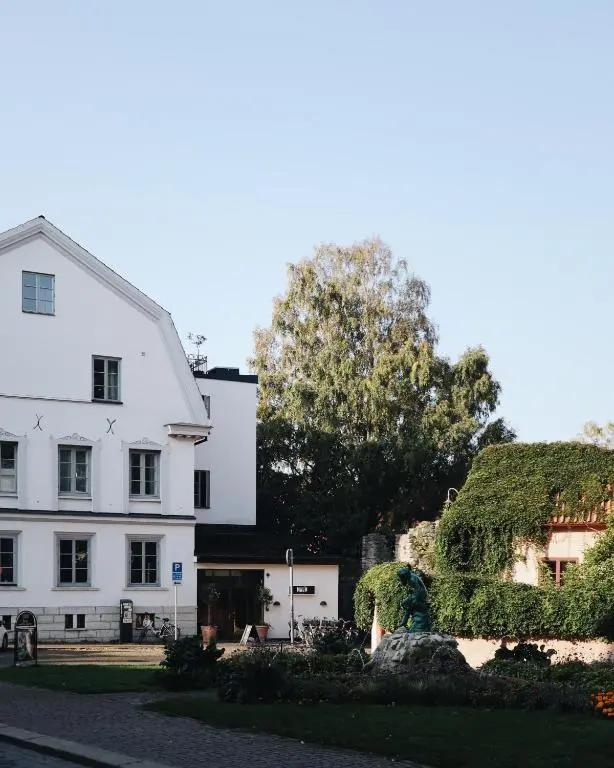
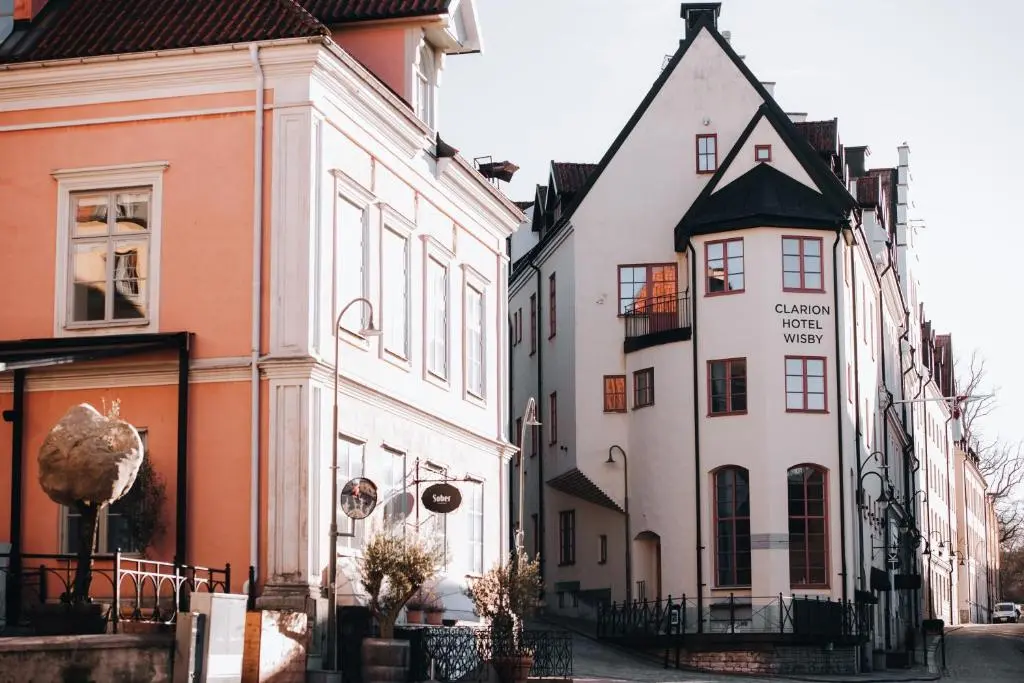
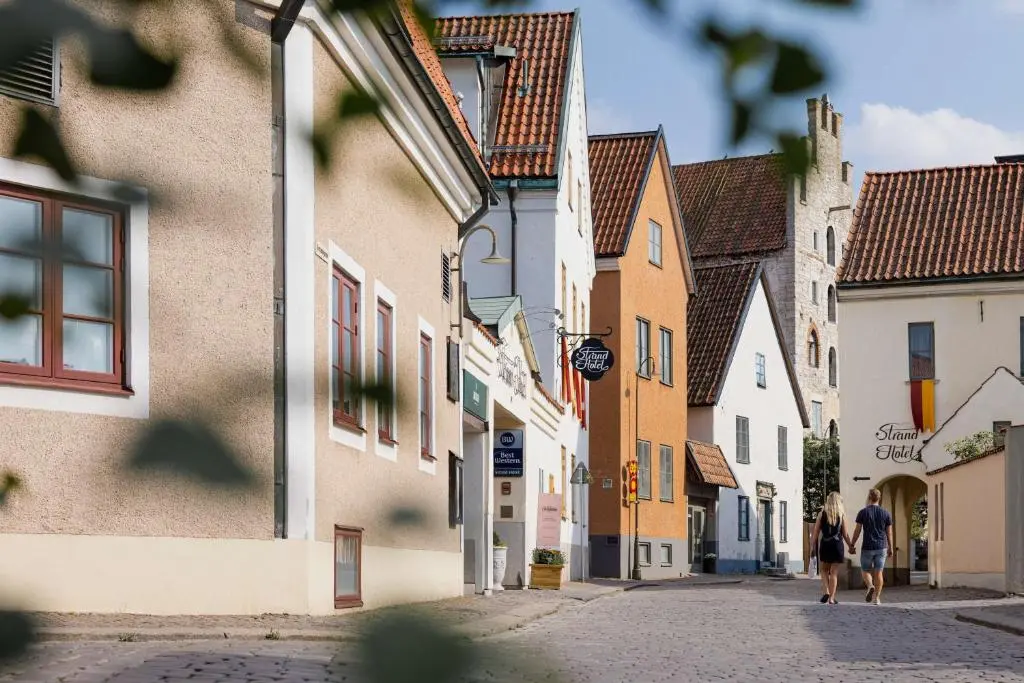
Strolling through the cobblestone streets, visitors can appreciate the well-preserved medieval architecture, including the iconic ruins of various churches. The Almedalen Park is another lovely spot, often serving as a venue for public events and gatherings.
Dining in Visby provides an opportunity to taste local cuisine, with several restaurants offering dishes made from regional ingredients. The seafood is particularly noteworthy, reflecting Gotland's coastal location.
Overall, Visby presents a blend of historical exploration, natural beauty, and local culture, making it a pleasant destination for those looking to immerse themselves in Swedish heritage.

 English
 Dansk
Dansk Deutsch
 Español
 Français
 Italiano
 Nederlands
 Norsk
Norsk Português
 Polski
 Svenska
 日本語
日本語 한국어
한국어 简体中文
简体中文 العربية